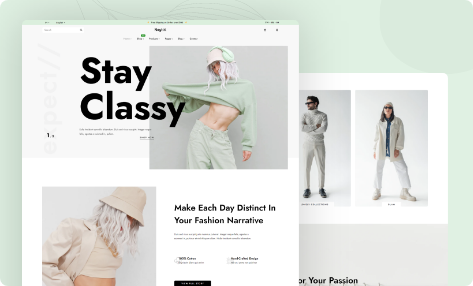
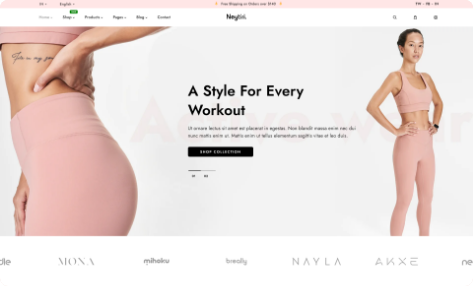
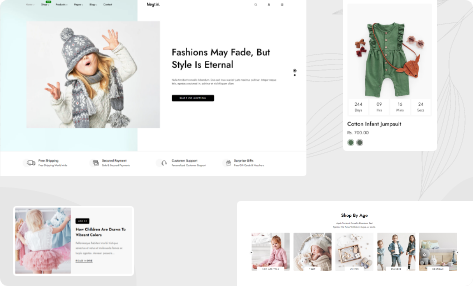
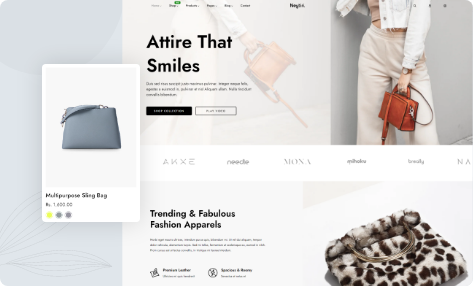







- Potential benefits when choosing between shinywild and conventional design platforms
- Enhanced Design Flexibility and Customization
- The Power of Visual Scripting and No-Code Interfaces
- Streamlined Collaboration and Workflow Integration
- Real-Time Co-Editing and Version History
- Cost-Effectiveness and Accessibility
- Subscription Models and Pay-As-You-Go Options
- Advanced Features for Interactive Prototyping
- The Rise of AI-Powered Design Tools and shinywild
- Looking Ahead: The Future of Design Platforms
Potential benefits when choosing between shinywild and conventional design platforms
The digital landscape is constantly evolving, demanding innovative solutions for creating engaging and impactful online experiences. Designers and developers are always seeking tools that streamline their workflows, enhance creativity, and deliver exceptional results. Within this dynamic environment, platforms like shinywild are emerging as compelling alternatives to conventional design systems. This article delves into the potential benefits of choosing this platform over more established options, exploring its unique features and how they can address the challenges faced by modern design teams.
Traditional design platforms have long been the industry standard, providing a robust set of tools for crafting websites, applications, and digital assets. However, they can often be complex, expensive, and require a steep learning curve. The promise of alternatives lies in offering greater flexibility, affordability, and ease of use, empowering designers to focus on their core creative tasks rather than wrestling with technical limitations. New tools aim to level the playing field, allowing smaller teams and individual creators to compete with larger organizations.
Enhanced Design Flexibility and Customization
One of the most significant advantages often associated with newer platforms, including those comparable to shinywild, is the increased flexibility and customization they offer. Unlike some established systems that impose rigid structures, these platforms frequently champion a more modular and component-based approach to design. This means designers aren't confined to pre-defined templates or constrained by limited styling options. They have the freedom to build designs from the ground up, tailoring every element to meet specific project requirements. This level of control is particularly valuable for brands seeking to establish a unique visual identity, or for projects with highly specific aesthetic demands. The component-based approach also promotes reusability, reducing design time and ensuring consistency across projects.
The Power of Visual Scripting and No-Code Interfaces
Many modern platforms, in an effort to democratize design, are incorporating visual scripting and no-code interfaces. These features enable designers to create complex interactions and animations without writing a single line of code. This is a game-changer for designers who may not have a strong programming background, allowing them to bring their creative visions to life more rapidly and independently. Visual scripting tools typically allow users to connect various elements and actions through a drag-and-drop interface, making the process intuitive and accessible. This not only speeds up development but also reduces the reliance on developers for minor design adjustments. The empowerment of the designer in these instances can really streamline the entire project lifecycle.
| Feature | Conventional Platforms | Alternative Platforms |
|---|---|---|
| Customization | Often Limited | Highly Flexible |
| Coding Requirement | Frequently High | Often Minimal/No-Code |
| Cost | Generally Expensive | Potentially More Affordable |
| Learning Curve | Steep | More Gradual |
The table above provides a quick comparison of the key differences between conventional platforms and alternatives. It highlights how the newer platforms prioritize customization, accessibility, and cost-effectiveness.
Streamlined Collaboration and Workflow Integration
Effective collaboration is crucial for any successful design project, especially in today's remote or hybrid work environments. Modern design platforms are increasingly focused on facilitating seamless teamwork. Features like real-time co-editing, version control, and integrated feedback loops enable designers, developers, and stakeholders to work together more efficiently. This eliminates the bottlenecks and miscommunications that can often plague traditional workflows. The ability to share designs instantly and gather feedback directly within the platform simplifies the review process and ensures everyone is on the same page. Furthermore, integration with popular project management tools allows for a more holistic and organized approach to design production. This integration avoids information silos and keeps projects moving forward.
Real-Time Co-Editing and Version History
Real-time co-editing is a particularly powerful feature, allowing multiple designers to work on the same project simultaneously. This fosters a sense of shared ownership and enables faster iteration. Version history is equally important, providing a safety net that allows designers to revert to previous iterations if needed. Most importantly, it provides a clear audit trail of all changes made, making it easy to track progress and identify potential issues. This combination of features significantly reduces the risk of errors and ensures that all team members have access to the latest version of the design. The ability to see changes happen in real time fosters more immediate discussion and quicker problem solving within the team.
- Centralized Asset Management: Easily store and organize all design assets in one place.
- Integrated Feedback System: Gather and implement feedback directly within the platform.
- Role-Based Access Control: Control who has access to different parts of the project.
- Automated Version Control: Track all changes and revert to previous versions as needed.
The list above summarizes the key collaborative aspects that modern platforms often offer. These features foster a more productive and transparent design process.
Cost-Effectiveness and Accessibility
The cost of design software can be a significant barrier to entry for freelancers, small businesses, and educational institutions. Conventional design platforms often come with hefty subscription fees and licensing costs. Alternatives, like those with parallels to shinywild, frequently offer more flexible and affordable pricing models. Some platforms offer free tiers for individual users or small teams, while others provide subscription plans that are tailored to specific needs and budgets. This increased accessibility opens up opportunities for a wider range of creators to participate in the digital design landscape. The potential cost savings can be substantial, allowing businesses to allocate resources to other critical areas.
Subscription Models and Pay-As-You-Go Options
Many newer platforms are adopting subscription models that offer predictable monthly or annual fees. This is a significant improvement over the traditional model of purchasing perpetual licenses, which can be expensive and require ongoing maintenance costs. Pay-as-you-go options are also becoming increasingly common, allowing users to pay only for the resources they consume. These flexible pricing options make design tools more accessible to a wider range of users, particularly those with fluctuating workloads or limited budgets. Additionally, these models often include automatic updates and support, ensuring that users always have access to the latest features and assistance when needed. The challenge for these platforms is to offer enough value to justify the ongoing cost of subscription.
- Assess your design needs and budget.
- Compare pricing models from different platforms.
- Consider the features that are most important to you.
- Read reviews and testimonials from other users.
- Take advantage of free trials to test out different platforms.
These steps can help you select the best design platform for your specific requirements. A careful evaluation of your needs can save you both time and money.
Advanced Features for Interactive Prototyping
In today's user-centric design world, interactive prototyping is a critical step in the design process. It allows designers to test their ideas and gather feedback before committing to full-scale development. Many modern platforms are equipping designers with robust prototyping tools enabling the creation of realistic simulations of user experiences. This might include simulating button clicks, animations, and transitions to gauge user reactions. These features can identify usability issues early in the process, saving time and resources in the long run. The ability to create high-fidelity prototypes also facilitates better communication between designers, developers, and stakeholders, ensuring a shared understanding of the final product.
The Rise of AI-Powered Design Tools and shinywild
The integration of Artificial Intelligence (AI) into design tools represents a paradigm shift in the industry. AI-powered features can automate repetitive tasks, generate design suggestions, and even create entire designs based on user input. This frees up designers to focus on more strategic and creative aspects of their work. Platforms like shinywild are at the forefront of this innovation, incorporating AI algorithms to enhance design workflows and deliver personalized experiences. For example, AI can be used to automatically generate design variations, optimize images for different devices, or even predict user behavior. This advanced functionality can significantly improve design efficiency and effectiveness. The possibilities for AI in design are vast and continue to expand, promising a future where designers and AI work together seamlessly.
Looking Ahead: The Future of Design Platforms
The evolution of design platforms is far from over. We can expect to see even greater integration of AI, further democratization of design tools, and increased emphasis on collaboration and accessibility. The trend towards no-code and low-code solutions will likely continue, empowering a wider range of individuals to create professional-quality designs. Cloud-based platforms will become even more prevalent, offering seamless access to design resources from anywhere in the world. The future of design is undoubtedly exciting, with new technologies constantly pushing the boundaries of what's possible. Consider the possibilities of augmented reality (AR) and virtual reality (VR) integration – providing designers with opportunities to create immersive user experiences unlike anything seen before.
Ultimately, the choice between conventional design platforms and newer alternatives depends on specific project requirements, budget constraints, and team preferences. However, the benefits of embracing innovative solutions like shinywild – increased flexibility, streamlined collaboration, cost-effectiveness, and advanced features – are undeniable. As the design landscape continues to evolve, staying informed about the latest trends and technologies will be crucial for success.