













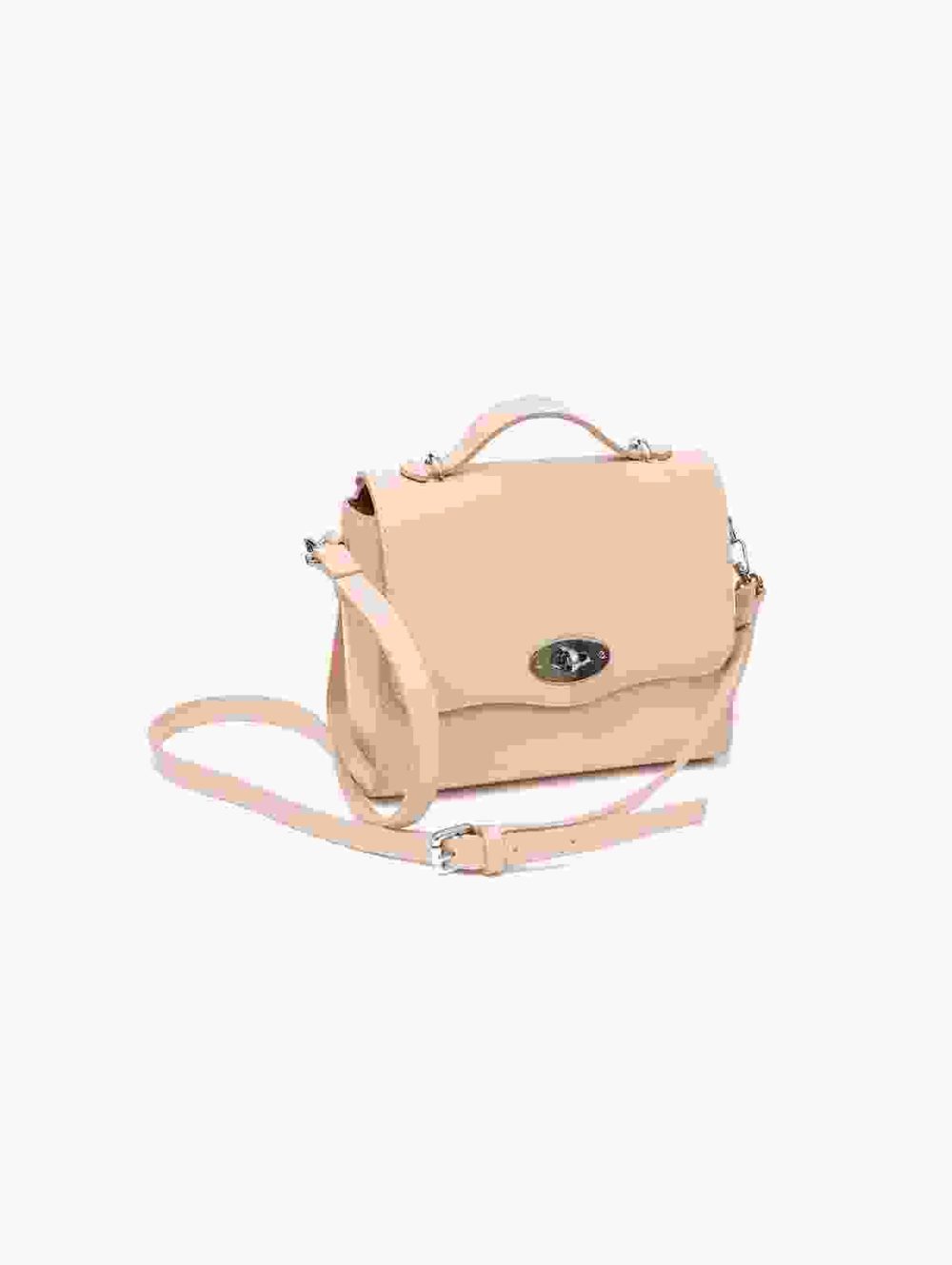


- Genuine comfort and the-pacificspins-canada.ca redefine relaxation for modern living spaces
- The Art of Choosing the Right Relaxation Furniture
- The Importance of Ergonomic Design
- Creating a Calming Atmosphere: Beyond Furniture
- The Role of Sensory Details
- The Impact of Material Choices on Comfort and Sustainability
- Exploring Eco-Friendly Alternatives
- The Evolution of Relaxation Spaces: Adapting to Modern Lifestyles
- Beyond Aesthetics: The Psychological Benefits of a Relaxing Home Environment
Genuine comfort and the-pacificspins-canada.ca redefine relaxation for modern living spaces
In the realm of modern living, comfort isn't merely a desire – it's a necessity. The demands of daily life, coupled with an increasing appreciation for well-being, have led individuals to prioritize creating spaces that promote relaxation and rejuvenation. Finding the right products to achieve this haven can often feel overwhelming, navigating a sea of options that promise tranquility but often fall short. This is where the focus shifts towards curated experiences, and brands dedicated to enhancing the quality of everyday life. Exploring options like those offered at the-pacificspins-canada.ca unveils a commitment to genuine comfort and a thoughtful approach to interior design.
The concept of relaxation has evolved. It's no longer simply about acquiring comfortable furniture; it’s about creating an atmosphere, a feeling, a sanctuary within the home. Considerations extend beyond aesthetics to encompass functionality, materials, and the overall impact on physical and mental well-being. A truly relaxing space should be an extension of oneself, reflecting personal style while simultaneously fostering a sense of calm and peace. This requires a discerning eye and access to products that prioritize both quality and design – a blend that allows for the curation of truly restorative environments.
The Art of Choosing the Right Relaxation Furniture
Selecting furniture designed for relaxation requires a mindful approach, going beyond initial appearances. Considerations must be given to ergonomics, material quality, and how the piece integrates into the existing aesthetic of the space. A comfortable chair, for example, isn't just about a soft cushion; it’s about proper back support, armrest height, and the overall feeling of being cradled and supported. The materials used are also crucial; natural fibers like cotton, linen, and wool often provide superior breathability and comfort compared to synthetic alternatives. Furthermore, the scale of the furniture should be proportionate to the room, avoiding overcrowding or creating a feeling of constriction.
The Importance of Ergonomic Design
Ergonomic design is fundamental to ensuring long-term comfort and well-being. Furniture that doesn't support the body's natural curves can lead to discomfort, strain, and even long-term health issues. When choosing seating, pay attention to lumbar support, seat depth, and the angle of the backrest. Adjustable features, such as height and armrest adjustments, can further enhance customization and cater to individual needs. Consider also the placement of furniture in relation to lighting and other elements within the room; optimal positioning can minimize glare and promote a more relaxed atmosphere. A well-designed interior acknowledges and supports the human body, creating a harmonious and comfortable environment.
| Feature | Importance |
|---|---|
| Lumbar Support | Essential for maintaining proper spinal alignment. |
| Seat Depth | Should allow for comfortable seating without putting pressure on the back of the knees. |
| Armrest Height | Should support the arms without causing shoulder strain. |
| Material Breathability | Impacts comfort, especially in warmer climates. |
Investing in pieces that prioritize ergonomic principles is an investment in your overall health and well-being. It’s about creating a space that not only looks beautiful but also actively promotes relaxation and comfort. The careful consideration of these elements transforms a house into a home, a sanctuary dedicated to restorative living.
Creating a Calming Atmosphere: Beyond Furniture
While furniture plays a pivotal role, creating a truly relaxing atmosphere extends far beyond the selection of comfortable seating. Factors like lighting, color palettes, and the incorporation of natural elements all contribute significantly to the overall sense of calm and peace within a space. Soft, diffused lighting is generally preferred over harsh, direct illumination, as it creates a warmer and more inviting ambiance. Color palettes should be soothing and harmonious, with blues, greens, and neutrals often being favored for their calming properties. The addition of plants and other natural elements brings a touch of the outdoors in, further enhancing the sense of tranquility.
The Role of Sensory Details
The subtle details can make a world of difference when cultivating a relaxing atmosphere. Consider the textures within the space; soft, plush fabrics, natural wood finishes, and smooth stone surfaces all contribute to a sense of tactile comfort. Aromatherapy, through the use of essential oils or scented candles, can further enhance the mood, with lavender, chamomile, and sandalwood being popular choices for their calming effects. Sound also plays a crucial role; incorporating gentle music or natural sounds, such as rainfall or ocean waves, can help to mask distracting noises and create a more serene environment. Attention to these sensory details elevates the experience from simply comfortable to truly restorative.
- Lighting: Opt for soft, diffused lighting options.
- Color Palette: Choose calming and harmonious colors.
- Natural Elements: Incorporate plants and organic materials.
- Textures: Utilize soft and tactile fabrics.
- Aromatherapy: Employ essential oils or scented candles.
The interplay of these elements transforms a room from a mere functional space into a sanctuary for the senses. By carefully curating these details, you can create an environment that actively supports relaxation and well-being – a space where you can truly unwind and recharge.
The Impact of Material Choices on Comfort and Sustainability
The materials used in furniture and décor have a profound impact on both comfort and sustainability. Increasingly, consumers are becoming more aware of the environmental implications of their purchasing decisions and seeking out products made from eco-friendly and responsibly sourced materials. Natural fibers, such as organic cotton, linen, and wool, are excellent choices, as they are renewable resources and often require less energy and water to produce compared to synthetic alternatives. Sustainable wood sources, certified by organizations like the Forest Stewardship Council (FSC), ensure that forests are managed responsibly. Beyond environmental considerations, material choices also affect the longevity and durability of the furniture, reducing the need for frequent replacements.
Exploring Eco-Friendly Alternatives
The market for eco-friendly furniture and décor is constantly expanding, with innovative materials and manufacturing processes emerging all the time. Bamboo, for example, is a rapidly renewable resource that is incredibly strong and durable. Recycled materials, such as reclaimed wood and recycled plastics, offer a sustainable alternative to virgin materials. Furthermore, choosing furniture made locally reduces transportation costs and supports local economies. Investing in high-quality, sustainably sourced materials not only benefits the environment but also contributes to a healthier and more comfortable living space. Choosing products with a smaller environmental footprint is a tangible step towards a more sustainable lifestyle.
- Choose natural fibers like organic cotton, linen, and wool.
- Look for FSC-certified sustainable wood.
- Consider bamboo as a rapidly renewable resource.
- Opt for recycled materials like reclaimed wood.
- Support local manufacturers to reduce transportation.
Prioritizing sustainability in furniture choices is not a trend, but a necessary shift towards a more responsible and conscious approach to living. It’s about making informed decisions that benefit both our well-being and the health of the planet.
The Evolution of Relaxation Spaces: Adapting to Modern Lifestyles
The needs of modern lifestyles demand adaptable relaxation spaces. The traditional concept of a dedicated “living room” is evolving, with many homes embracing open-concept layouts and multi-functional spaces. This requires furniture that is versatile and can be easily reconfigured to suit different activities – from relaxing with a book to entertaining guests to working from home. Modular sofas, convertible chairs, and nesting tables are examples of furniture that excel in these adaptable environments. The emphasis is on creating spaces that can seamlessly transition between work, play, and rest, catering to the dynamic demands of contemporary living.
Furthermore, the integration of technology is becoming increasingly prevalent in relaxation spaces. Smart home systems allow for automated control of lighting, temperature, and audio, creating a personalized and comfortable atmosphere at the touch of a button. However, it’s important to strike a balance between technology and tranquility, avoiding overwhelming the space with excessive gadgets. The goal is to enhance relaxation, not detract from it. The right technology, used thoughtfully, can contribute to a more seamless and restorative experience. The enduring appeal of comfortable haven spaces like those detailed on the-pacificspins-canada.ca speaks to this inherent human need.
Beyond Aesthetics: The Psychological Benefits of a Relaxing Home Environment
A well-designed and relaxing home environment offers far more than just aesthetic appeal; it provides significant psychological benefits. A calm and peaceful space can reduce stress levels, improve sleep quality, and enhance overall mental well-being. The feeling of being surrounded by comfort and beauty can evoke positive emotions, fostering a sense of security and contentment. Creating a sanctuary within the home allows individuals to disconnect from the pressures of the outside world and recharge their emotional batteries. This is particularly important in today's fast-paced society, where chronic stress is a pervasive issue.
Consider the case of a remote worker who dedicates a portion of their home to a calming workspace. By incorporating comfortable furniture, soft lighting, and natural elements, they can create an environment that promotes focus and productivity while minimizing stress. This intentional design choice can significantly improve their overall work-life balance and promote a healthier, more sustainable way of living. The prioritization of relaxation within the home is an investment in long-term health and happiness, fostering a sense of inner peace and resilience. A dedication to comfort, as evidenced by brands like the-pacificspins-canada.ca, isn't merely about providing furniture – it's about crafting spaces that nurture the human spirit.